
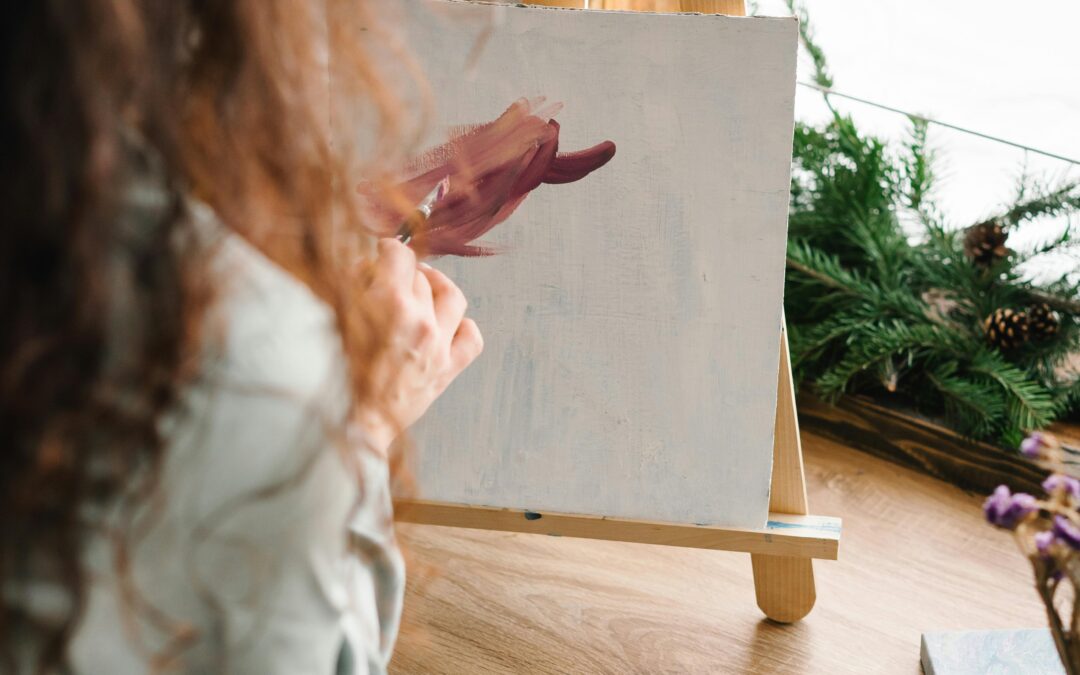
Creativity has always been a part of being human.
From the earliest cave drawings to the doodles we make on a notepad during a stressful day, creative expression has a way of revealing what words sometimes cannot.
That is the heart of art therapy. It is not about being an artist. It is not about creating something perfect. It is about giving your inner world a place to land, safely and gently.
When life feels overwhelming, confusing, or heavy, turning toward creative practices can become a different way to heal. The benefits of art therapy go far beyond making something visually pleasing.
Creativity helps you access emotions that live beneath the surface, regulate your nervous system, and reconnect with parts of yourself that feel lost or silenced.
Let’s explore the benefits of art therapy, the goals behind this therapeutic approach, what makes art treatment powerful, and the conditions it can help support.
What are the benefits of art therapy?
When people think about therapy, they often picture talking. But sometimes words get stuck. Sometimes emotions don’t feel fully formed. Sometimes you may not even know how to explain what you feel.
That is where the benefits of art therapy become profound.
Art therapy creates a bridge between your inner experiences and the outside world. Through drawing, painting, collage, sculpture, or other creative methods, you gain a way to express thoughts and feelings that do not easily translate into language.
Some of the most meaningful benefits of art therapy include:
Emotional expression without pressure. You do not need the perfect words. You do not need to organize your thoughts. You simply express, and the expression itself becomes healing.
Stress relief and nervous system regulation.
Engaging your hands, eyes, and attention in a creative activity helps move your body out of fight-or-flight mode. This is one of the core benefits of art therapy because your brain shifts into a calmer, more grounded state.
Processing trauma safely.
Art provides distance and protection. You can externalize painful experiences in a way that feels manageable, allowing your therapist to guide you through the meaning gently.
Self-discovery and insight.
Creativity reveals patterns, beliefs, emotional themes, and inner conflicts you may not consciously recognize. The benefits of art therapy include a deeper understanding of yourself and your emotional landscape.
Building confidence and agency.
When you create something, you take an active role in your healing. Art therapy helps you strengthen your sense of control and personal power.
Accessing joy, play, and curiosity.
Healing does not always have to feel heavy. Sometimes creativity reintroduces lightness, reminding you of the pleasure and freedom of exploring without judgment.
These benefits of art therapy support people of all ages and backgrounds, making it a powerful therapeutic tool that meets you exactly where you are.
What are the 5 goals of art therapy?
Behind every session, there is intention and purpose. While each person’s journey is unique, therapists often structure sessions around core goals that guide the healing process.
Here are the five primary goals of art therapy and how they connect to the benefits of art therapy:
- Emotional expression
Helping you put feelings into form so they stop living only inside your body.
- Self-awareness
Supporting you in recognizing patterns, needs, triggers, and internal experiences with more clarity.
- Stress reduction
Using creativity as a tool for calming your nervous system and reducing emotional overwhelm.
- Personal insight and meaning-making
Helping you understand the deeper themes behind what you create, leading to greater emotional integration.
- Empowerment and strengthened self-esteem
Inviting you to see your capability, voice, and power through the act of creation.
All of these goals link directly to the benefits of art therapy because they support emotional processing, nervous system healing, and internal growth. Creativity becomes not just an outlet, but a roadmap for understanding yourself in new, compassionate ways.
What are the benefits of art treatment?
Art treatment is simply another term for art therapy, and the benefits mirror what many people find most healing about creative expression.
Some of the most meaningful benefits of art treatment include:
A nonverbal pathway for communication.
For individuals who find talking difficult, intimidating, or overwhelming, creativity becomes its own language.
A sense of safety and emotional distance.
Art treatment allows you to explore difficult experiences without reliving them fully. Instead, you observe them in colors, shapes, symbols, or images.
Improved emotional regulation.
Engaging with art activates parts of the brain that slow down stress responses and increase feelings of calm. This is one of the benefits of art therapy that people feel almost immediately.
Enhanced problem-solving and cognitive flexibility.
Thinking creatively helps strengthen your brain’s ability to shift perspectives, adapt, and make new connections.
Accessible healing for all ages.
Art treatment does not require any artistic skill. Whether you are five or sixty-five, you can benefit from this form of therapy.
One of the biggest benefits of art treatment is its ability to meet you wherever you are emotionally, cognitively, and physically. Creativity adapts to your needs, not the other way around.
What conditions does art therapy treat?
The benefits of art therapy extend across many emotional and psychological conditions. Because creativity engages the mind, body, and nervous system simultaneously, it can support healing in areas where traditional talk therapy may feel limited.
Art therapy can help treat or support:
Trauma and PTSD
Art offers a safe outlet for exploring traumatic memories while grounding the body.
Anxiety and panic symptoms
The rhythmic, tactile nature of art helps soothe the nervous system.
Depression
Creative engagement can spark motivation, emotional expression, and a sense of purpose.
Grief and loss
Art gives shape to sorrow, helping you process feelings that have no easy words.
Chronic stress and burnout
One of the major benefits of art therapy is its ability to anchor you in the present moment, reducing mental overwhelm.
ADHD
Creative tasks can improve focus, emotional regulation, and self-confidence.
Eating disorders
Art therapy supports body awareness, emotional exploration, and internal dialogue.
Relationship issues or attachment wounds
Art can reveal relational patterns and help build emotional insight.
Neurodivergent needs
Because art therapy is sensory, structured, and expressive, it supports diverse forms of communication and self-regulation.
Creativity helps people heal from a wide range of experiences. The benefits of art therapy include not only symptom relief but deeper emotional integration and self-understanding.
A final note: Healing can be creative, gentle, and deeply personal
You do not have to talk your way through every heavy feeling.
You do not have to be an artist.
You do not have to know what you want to create.
You only need the willingness to explore.
The benefits of art therapy reach far beyond the canvas. They help you understand yourself, release what has been held inside, and reconnect with a sense of safety and agency. Through creativity, you can discover new pathways to healing that feel softer, more intuitive, and uniquely your own.
If you are curious about the benefits of art therapy or want support in exploring creative healing, our clinicians at Empowered Therapy are here to help. We offer a space where your emotions, expressions, and creative voice are welcomed without judgment.
You deserve a healing process that feels accessible and aligned with who you are.
Are you ready to explore a different way to heal? Book a session with our clinicians today.