
Journey Through Journaling
Group therapy for black women in Chicago. Navigating Black Womanhood in the U.S.A.
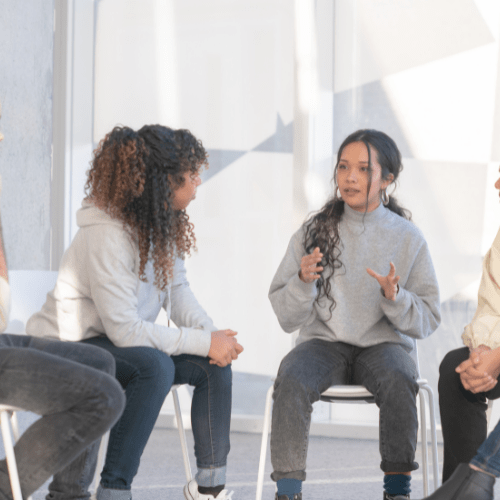
Join our virtual Group Therapy for Black Women in the Chicagoland area.
Do you ever find yourself feeling lost or looking for a sense of direction? Do you ever use writing as an outlet to express your thoughts and emotions? Are you seeking to build community amongst other Black women as you navigate through your wellness journey?
Journeying Through Journaling may be just the group for you!
Navigating Black Womanhood in the USA can feel exhilarating, overwhelming, and isolating.
This group is a space that serves as a reminder that you do not have to travel solo on your journey to healing.
Journeying Through Journaling is a virtual space for Black women to gather and to explore their narrative.
This group meets two times per month. During each session we will unpack different topics.
For each session, you can expect a writing prompt on the topic, music related to the theme, and numerous opportunities to support and uplift one another.
A virtual therapy space for Black women to gather and to explore their narrative.
Common topics, questions, and issues we deal with in treatment.
What is the age range of the group?
Since this is an open group, it depends on the participants that register for that particular month. So far, the age range has been from 21-56 years old.
Which platform is being used to hold the group sessions?
We are currently doing all services online. For this group, the sessions are held on Google Meet, which is a HIPPA compliant platform.
Some Common Life Challenges
Some common issues and life challenges we discuss in group include (but are not limited to):
How much does it cost?
Each meeting is $15.
Who runs this group?
This group is developed & run by Jessica McKenzie, LPC. You can read all about Jessica here!
How do I find a Black therapist who understands my experiences?
Finding a therapist who understands the cultural realities, pressures, and lived experiences of Black womanhood can make a meaningful difference in therapy. Feeling seen and understood creates safety, which can make it easier to open up and do deeper work.
At Empowered Therapy, we understand that representation matters. Working with a Black therapist in Chicago or joining a group designed specifically for Black women can help create a space where your experiences don’t need to be overexplained. If you’re exploring one-on-one support, you can also learn more about working with a female therapist.
Is group therapy a good option for Black women?
Group therapy can be a powerful option for Black women, especially when feelings of isolation, burnout, or emotional exhaustion are present. Being in community with others who share similar experiences can offer validation, support, and connection.
Journeying Through Journaling creates a space where Black women can gather, reflect, and heal together. Through shared conversation and guided prompts, participants are reminded they do not have to navigate life alone.
Will I feel comfortable opening up in a group setting?
It’s completely normal to feel hesitant at first. Opening up in a group can feel vulnerable, especially if you’re used to carrying things on your own. But group therapy is designed to move at your pace.
There is no pressure to share more than you’re ready for. Many people find comfort simply listening at first. Over time, as trust builds, sharing often becomes easier and more natural.
What topics are typically discussed in group therapy for Black women?
Group therapy for Black women often explores the emotional realities of navigating relationships, identity, stress, self-worth, and healing. In Journeying Through Journaling, each session centers around a different topic and includes a writing prompt, music, and opportunities for reflection.
Common themes may include:
Boundaries and people-pleasing
Boundaries and people-pleasing
Anxiety and emotional burnout
Racial identity and self-worth
Family dynamics
Relationships and attachment
Rest, joy, and reclaiming peace
How can therapy help with racial stress or burnout?
Racial stress can build over time, often showing up as exhaustion, hypervigilance, anger, or emotional numbness. Many Black women carry the weight of societal expectations while navigating personal challenges, often without enough space to process it.
Therapy can help by providing a place to name these experiences, process them, and develop healthier coping strategies. Group therapy can also reduce isolation by reminding you that your experiences are real, valid, and shared.
What if I’ve had a bad experience with therapy before?
A difficult therapy experience can make it hard to trust the process again. You may have felt misunderstood, judged, or like your therapist couldn’t fully grasp your lived experience.
That doesn’t mean therapy can’t still be helpful. Finding the right fit matters. A culturally affirming space designed specifically for Black women can feel very different from past experiences and may help rebuild trust in the healing process.
Frequently Asked Questions
What is group therapy for Black women like?
Group therapy for Black women is a supportive, shared healing space where participants can reflect, process, and connect over common experiences. In this group, sessions include journaling prompts, music, and open discussion centered around wellness and personal growth.
Do I have to share personal details in group therapy?
No. You are always in control of what you share. Some participants begin by listening and reflecting before speaking. Group therapy works best when you feel safe, and there is no pressure to open up before you’re ready.
How many people are typically in a group?
Group sizes can vary depending on the month and who registers. Because this is an open group, the number of participants may shift, creating a dynamic and flexible space for connection.
Is group therapy as effective as individual therapy?
Group therapy can be just as effective, depending on your needs. It offers unique benefits like community support, shared perspective, and relational healing. Many people find that group therapy complements individual therapy well.