
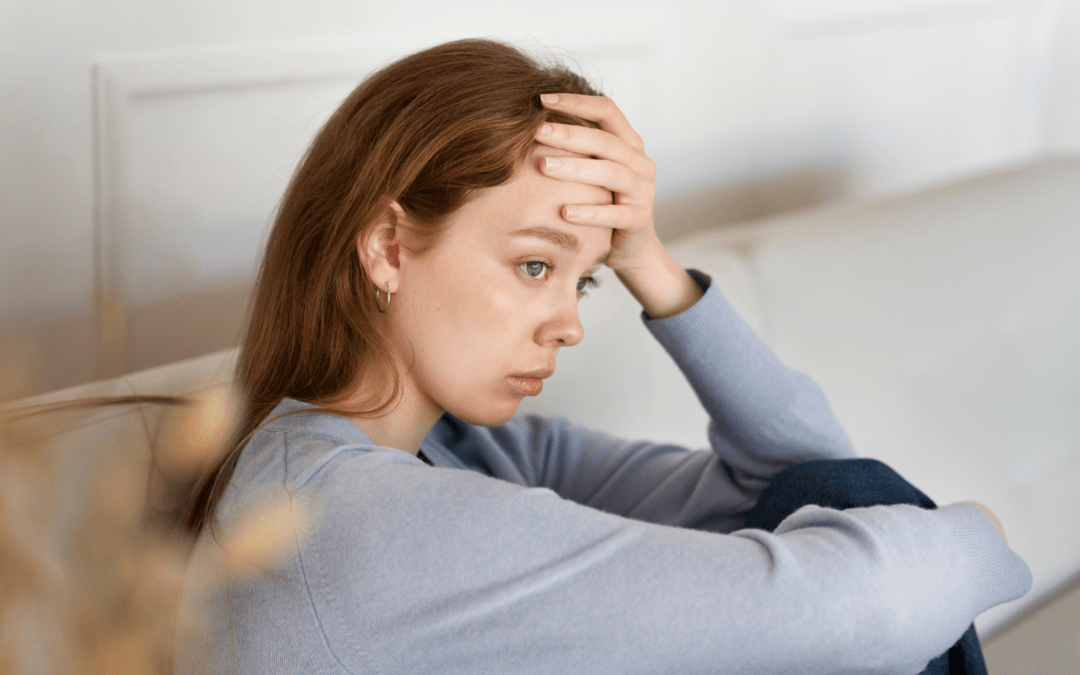
If you are always anxious even when nothing is wrong, your nervous system may be staying in a heightened state of alert despite the absence of immediate danger. Common causes include chronic stress, uncertainty, poor sleep, perfectionism, excessive caffeine, learned fear responses, and anxiety disorders.
Common causes of feeling anxious all the time include:
- Chronic stress
- Major life transitions
- Uncertainty about the future
- Perfectionism
- Poor sleep
- Excessive caffeine consumption
- Social comparison
- Anxiety disorders
- Burnout
- Nervous system dysregulation
Key Takeaways
- Feeling anxious when nothing is wrong often results from a nervous system that remains stuck in “alert mode.”
- Common causes include chronic stress, uncertainty, perfectionism, poor sleep, and excessive caffeine.
- Anxiety can cause both physical symptoms and mental symptoms.
- Anxiety is highly treatable through therapy, lifestyle changes, and nervous system regulation strategies.
Table of Contents
- Why am I always anxious even when nothing is wrong?
- What causes constant anxiety in young adults?
- Can lifestyle habits make anxiety worse?
- How does anxiety show up in the body and mind?
- When should I worry about constant anxiety?
- What helps reduce persistent anxiety?
- Frequently Asked Questions
- About Empowered Therapy
Why am I always anxious even when nothing is wrong?
You often feel anxious all the time, even when nothing is wrong, because your nervous system has learned to stay on alert. This is commonly called a “false alarm” response, where your brain misreads uncertainty as danger.
Over time, chronic stress from school, work, relationships, or life changes can keep the body stuck in this activated state. According to the National Institute of Mental Health (NIMH), anxiety disorders involve persistent fear or worry that interferes with daily life, even without immediate threat.
For young adults, this experience is especially common during periods of transition, when life feels uncertain but still demands constant performance.
“Our brains are trying to protect us, even if it doesn’t always feel that way. There are many techniques we can learn to let our brain know we are safe. Sometimes making lifestyle changes feels intimidating or impossible with our day-to-day responsibilities. It’s never an all-or-nothing thing, and even small changes are manageable and can make a difference. Our bodies tell us when we are anxious before our minds catch up. Getting more in tune with our body’s tells is a great first step!”
— Jessie Levinson, LCSW, PMH-C
What causes constant anxiety in young adults?
Young adults often experience persistent anxiety due to major life changes, uncertainty about their future, and ongoing stress that can overwhelm the nervous system.
Many young adults experience ongoing anxiety because this stage of life is filled with change, uncertainty, and new responsibilities. Decisions about careers, relationships, finances, and the future can create chronic stress, while social comparison and pressure to succeed can make anxiety feel even more intense. Over time, this stress can keep the nervous system on high alert, causing anxiety to persist even when nothing seems wrong.
Can lifestyle habits make anxiety worse?
Yes. Lifestyle habits can significantly increase anxiety by keeping the nervous system in a prolonged state of activation.
Common contributors include poor sleep, high caffeine intake, irregular meals, excessive screen time, and chronic overworking. These habits increase physiological arousal and reduce the body’s ability to recover from stress.
For example, sleep deprivation is strongly linked to increased anxiety because it disrupts emotional regulation systems in the brain. Over time, these patterns reinforce the feeling of being “always anxious,” even in calm environments.
How does anxiety show up in the body and mind?
Anxiety symptoms show up as physical and mental. These symptoms occur because the body’s stress response system remains activated, even when there is no immediate danger. Over time, persistent anxiety can make everyday situations feel more overwhelming and difficult to manage.
Common physical symptoms include:
- Muscle tension
- Rapid heartbeat
- Shallow breathing
- Restlessness
- Stomach discomfort
Common mental symptoms include:
- Racing thoughts
- Overthinking
- Worst-case scenario thinking
- Difficulty concentrating
When should I worry about constant anxiety?
You should consider support when constant anxiety begins interfering with your daily functioning, relationships, or sense of well-being.
If anxiety affects your sleep, concentration, appetite, or ability to enjoy normal activities, it may be more than temporary stress. Persistent anxiety can also show up as avoidance behaviors, where you start steering clear of situations that feel overwhelming.
According to the World Health Organization (WHO), untreated anxiety disorders can persist or worsen over time, especially without early intervention.
Early support tends to lead to better outcomes, especially when symptoms are caught before they become deeply ingrained patterns.
What helps reduce persistent anxiety?
Persistent anxiety improves when treatment includes both psychological and physiological support.
Evidence-based approaches like Cognitive Behavioral Therapy (CBT) help identify and change thought patterns that maintain anxiety. Somatic strategies such as breathing exercises and grounding techniques help regulate physical stress responses.
Lifestyle stabilization is also important. Regular sleep, balanced meals, reduced caffeine, and structured downtime help reset the nervous system over time.
The most effective treatment approach is typically layered, addressing thoughts, body, and environment together.
Frequently Asked Questions
Why do I feel anxious for no reason?
You may feel anxious for no reason because anxiety is often caused by hidden factors such as chronic stress, an overactive nervous system, lack of sleep, caffeine use, or unresolved worries. Even without an obvious trigger, your body can remain in a heightened state of alert.
Is feeling anxious every day a sign of anxiety disorder?
Not necessarily. However, daily anxiety that persists for weeks or interferes with functioning may indicate an anxiety disorder.
What is the difference between stress and anxiety?
Stress is typically a response to a specific challenge, while anxiety can persist even after the stressor has passed.
Can anxiety go away without therapy?
Mild anxiety may improve with lifestyle changes, but persistent anxiety often responds best to structured therapeutic support.
How long does it take to feel better?
Improvement varies, but many people notice changes within weeks of consistent coping strategies or therapy. Long-term relief usually requires ongoing practice.
About Empowered Therapy
Empowered Therapy provides compassionate, evidence-based mental health support for young adults and individuals navigating anxiety, identity exploration, and life transitions. Our clinicians integrate approaches like CBT, mindfulness-based therapy, and somatic awareness to help clients regulate anxiety and reconnect with a sense of stability and direction.
If anxiety is affecting your daily life, speaking with a therapist can help you clarify direction and reduce emotional overwhelm. Contact us to schedule your first appointment by clicking here.